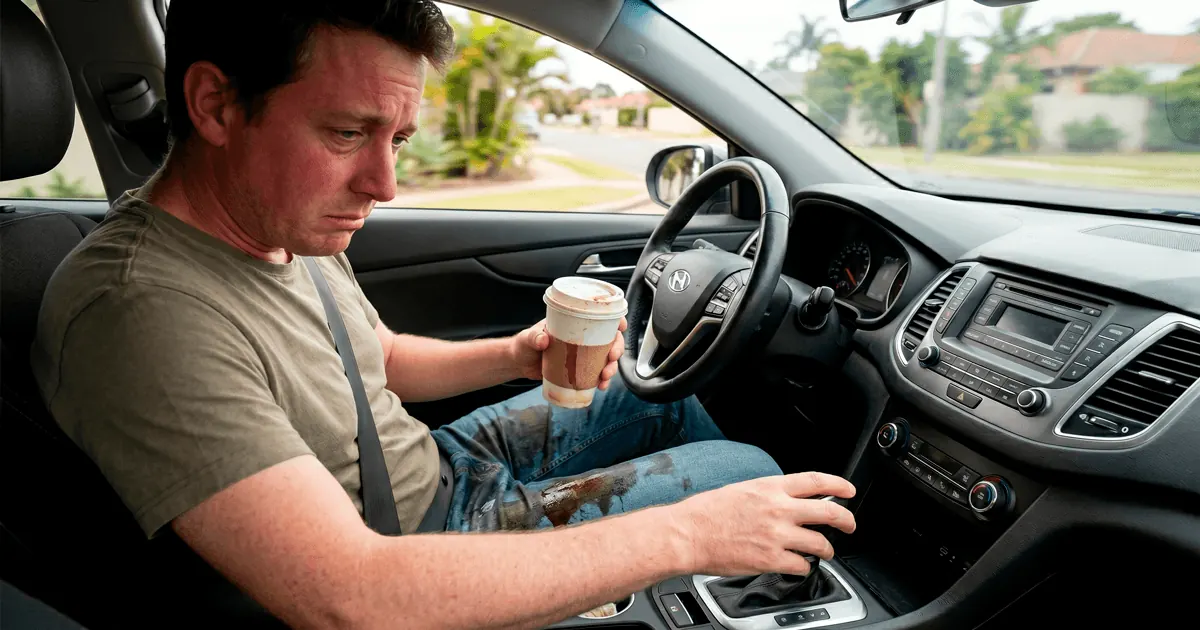
You feel tired because you're resting the wrong way: understand real rest
Have you ever stopped working for 20 minutes to catch your breath and, when you got back to your desk, felt even more exhausted and scattered?
That happens because, during most breaks, your brain never stops working. Scrolling a feed or answering messages still takes attention, so your head stays full. Real rest means giving your mind some time with nothing new coming in.
When you take a break in the middle of the workday and immediately open social media, your brain doesn’t stop. It keeps working at full speed. You force it to process colors and sounds and to dive into a fake reality where nobody posts doubts, process or boredom, only the edited cut and the isolated win.
At that point, your mind is like a computer with too many apps open. Even simple tasks start to freeze, and everything slows down. And we already know the result: when your head is full, it stops choosing and just reacts.
The driver and the passenger: why doesn’t a phone break feel like rest?
For neuroscience, real rest doesn’t mean switching your brain off, but changing the way it operates.
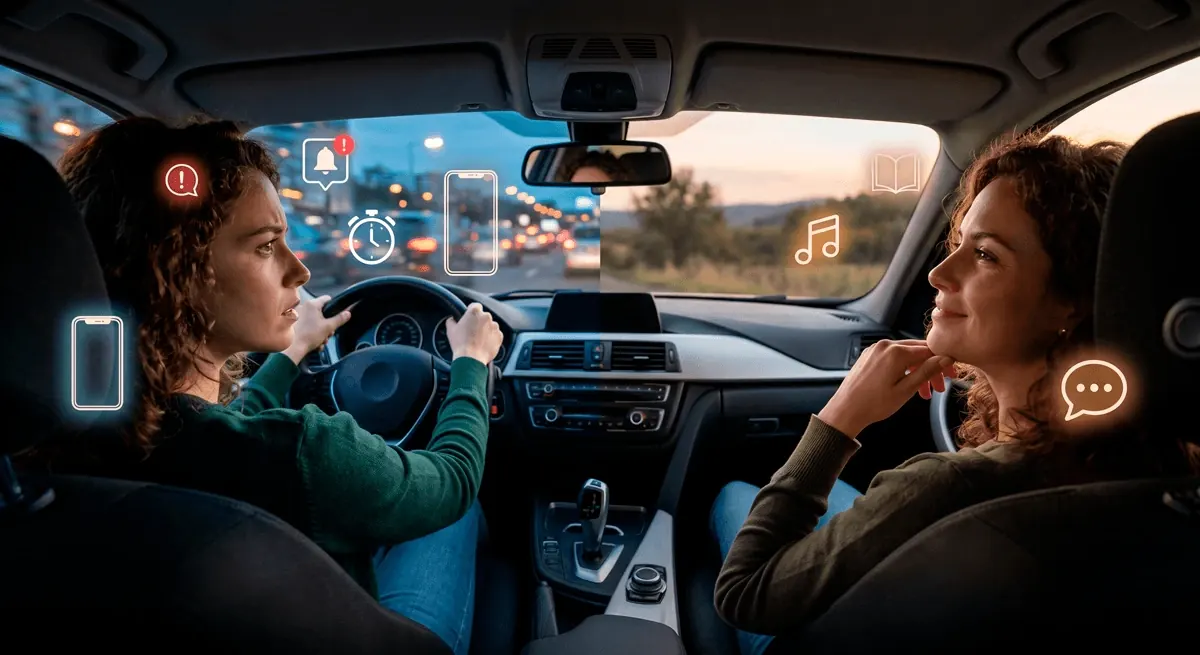
Imagine a road trip. Your brain needs to take turns being the driver and the passenger.
The driver is always focused on traffic. They calculate routes, read signs, dodge potholes and make tense decisions all the time. That’s you working, studying or solving problems.
The passenger is just there, enjoying the ride. They take in the view and the music playing, chat about random things and interact with their surroundings without any worry about the final destination.
The secret to not frying your mind during the day is knowing exactly when to switch seats. Alternating between these two modes is what truly recharges your energy.
How do you actually rest? Get out of the front seat
Our mistake is spending the whole day in driver mode. When we think we’re resting by scrolling the feed, we’ve only switched roads, but we’re still behind the wheel, consuming and judging information nonstop.
We need to coax the brain into relaxing, and the best way to do that is through the body.
Leave the place that keeps you stuck. Get up from your computer chair and walk to a bakery or shop to grab a coffee. Take a lap around the park or the block around your office. Call a friend just to chat.
The idea is to switch into a mode of interacting with your surroundings with no goal attached. No screens, no lists, no need to get anywhere. Just be a passenger in your own routine for a few minutes.
The power of empty space
We’ve been conditioned to dread doing nothing. But it’s exactly in that empty space that the magic happens.
The philosopher Seneca warned that the biggest obstacle in life is expecting the future at the expense of the present: “The greatest obstacle to living is expectancy, which hangs upon tomorrow and loses today.” We spend so much time anxious about the next task that we forget to actually experience the break.
If sleep works like the long pit stop of a race car, essential to keep the engine from breaking down, micro-breaks during the day are the moments when you simply ease off the gas.
The next time you need a breather, don’t look for a new stimulus. Just open the window, watch the world go by and enjoy the view. The solution lies in changing the way you act. Interacting more with the real world and forgetting the digital one.
To let your brain spend some time in the passenger seat, here are three more reads:
- Doing nothing is also a skill, and here’s how boredom unlocks your mind.
- Sleeping well is the most complete rest there is. See the bill we don’t notice when we cut back on sleep.
- If every break turns into phone time, learn about the quick reward trap.
Editor’s note: We all have that coworker who takes a “break” from work to watch dozens of short videos in a row and, thirty minutes later, complains they can’t concentrate on anything. Send this article their way. Maybe it’s time for them to learn to sit in the passenger seat for a while.
Comments
No comments yet. Why not be the first?